
Selling a home can be a daunting task, especially for those who are unfamiliar with the intricacies of a real estate transaction. Even if you're more than prepared to get your property on the market with a trusted real estate agent, you probably just can’t get down to business without doing this critical step: signing a listing agreement.
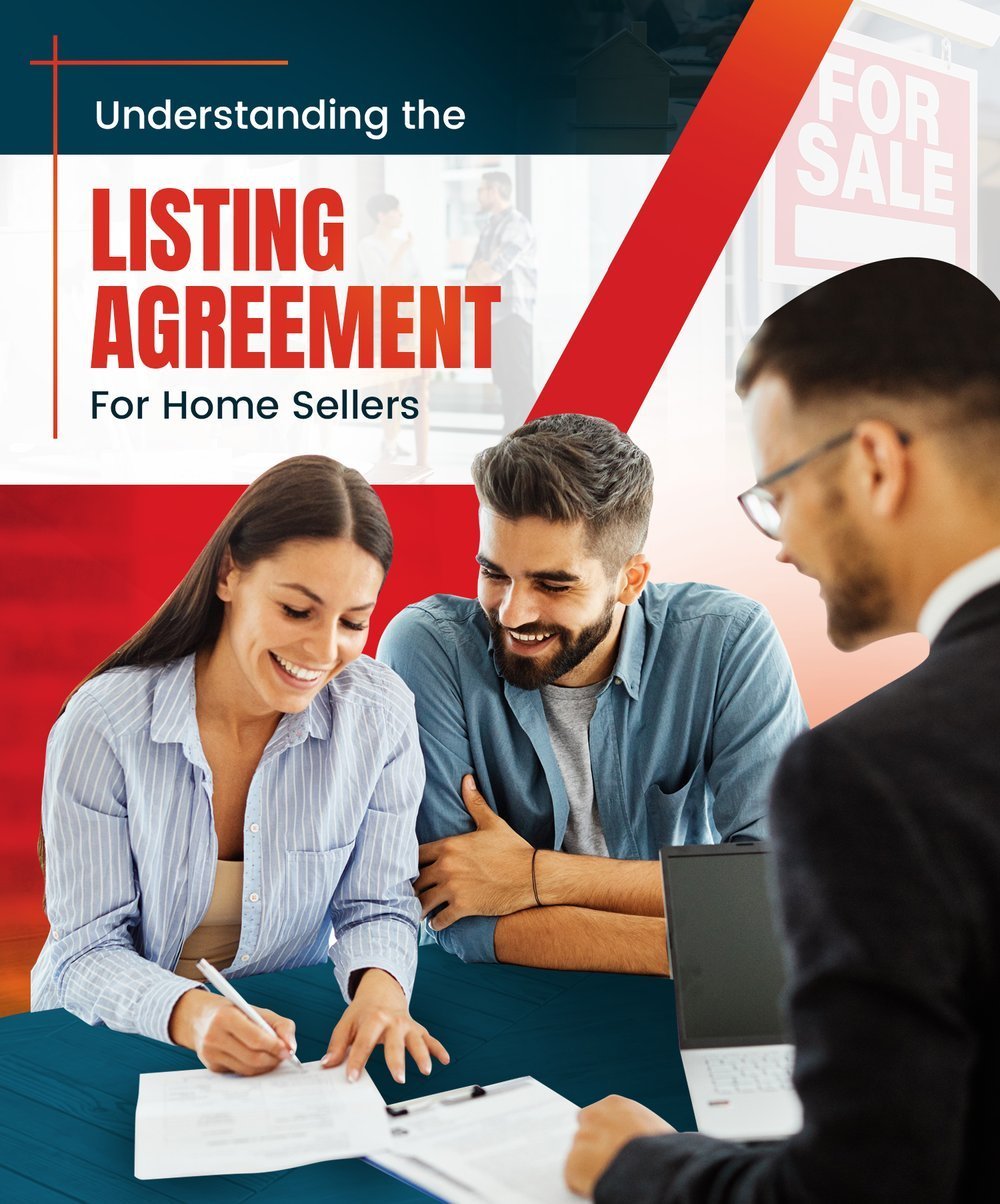
Signing any contract can be nerve-wracking and intimidating. But it doesn't have to be if you understand what the document means. Your agent should also walk you through each part of the service agreement. In this blog post, we’re giving you a headstart to help you understand what a listing agreement entails, and how it plays into selling your property.

A listing agreement is a legally binding contract between a homeowner and the real estate agent or broker who will be listing the property for sale. The agreement outlines the terms and conditions under which the agent or broker will market and sell the home, lays out a framework of duties and expectations between the seller and the agent, and includes several essential details about the upcoming sale.
Only home sellers need to sign a listing agreement. For potential buyers, they will have to sign a buyer's agency agreement before an agent will represent them. You’ll only sign the listing agreement after you and the agent have agreed on all the details of the home sale. You can think of it as an employment contract, as you are officially hiring the agent for the job of selling your house. No money should be required upfront when you sign, as agents are paid with commission fees at closing.
The listing agreement is meant to protect both parties. It protects the seller by defining the agent’s responsibilities and what to do if he or she doesn't meet them, preventing you from being tied to an agent that is not fulfilling their end of the service agreement. Meanwhile, it also ensures that the real estate agent is fairly compensated with a guaranteed commission once they execute a successful home sale.

Before we explore the necessary details usually included in a listing agreement, here are the most common types of listing agreements. Your agreement type is often listed at the top of the document itself. The terms can also vary based on the area where you live, so it's a must to read the agreement closely to understand the specific contract you have with your broker or agent.
Exclusive right-to-sell
This is the most common type of listing agreement. As defined by the National Association of REALTORS®, an exclusive right-to-sell listing agreement is a contractual agreement under which the listing broker acts as the agent or as the legally recognized non-agency representative of the seller, and the seller agrees to pay a commission to the listing broker, regardless of whether the property is sold through the efforts of the listing broker, the seller, or anyone else.
To put it simply, you’ll be working exclusively with one agent to sell your house within a definite period of time. The broker is entitled to their commission regardless of who sells the property, as long as the listing agreement is in effect.
Exclusive agency listing
This type of listing agreement, it’s similar to an exclusive right-to-sell listing where the broker acts as the agent and any agent in the agency may sell the property and collect the commission. But in this case, the seller still reserves the right to sell the home on their own if they choose. And if the property is sold solely through the efforts of the seller, he or she is not obligated to pay a commission to the listing broker.
Open listing
This is a non-exclusive agreement that allows the seller to use multiple real estate agents to sell their home, but the agent who sells the home is the only one who gets a commission. If the homeowner succeeds in selling the home themselves, the agents walk away empty-handed, which is why these kinds of agreements are less common and are generally less favored by agents.

Here are the main components of a listing agreement:
Contact information - includes names, phone numbers, addresses, and other information for the seller and the real estate broker or agent.
Property description - the listing agreement will include a complete and accurate description of the property. The property description also specifies any fixtures that will be left behind after the property is sold, and which items will not be included in the sale and you'll be taking with you when you move.
List price - You and your agent will discuss the listing price ahead of time, which is based on market data, comparable homes that have sold in the area, and the condition of the home. The price should be written in the agreement to match your earlier discussions.
Agreement duration - a listing agreement usually covers a duration of between three and six months, although it can last for any amount of time you and your agent agree on.
Agent duties - the agent’s responsibilities and detailed plan of action will be specified in this section, together with the activities the listing agent is authorized to conduct on your behalf. This may include holding open houses, listing your home on the MLS, posting a yard sign, etc. Understanding the agent’s responsibilities will give you a clear idea of what they will (and will not) do during the selling process.
Agent commissions - the commissions, fees, and other compensation need to be added to the agreement. Agent commissions are usually between 5 percent and 6 percent of the proceeds of the sale, and are usually split halfway with the buyer’s agent.
Mediation and conflict resolution details - this part of the document states how any potential disputes between the property owner and agent will be resolved. It will specify whether conflicts will be settled using mediation or arbitration, lowering the risk of escalating conflict into a legal dispute.
Protection clause - when the agent shows the house to a potential buyer during the listing agreement period, but that person doesn’t buy the property until after the listing agreement has expired, the protection period clause in the agreement will protect the real estate agent from losing their commission.

While the listing agreement is legally binding, you can make changes to it as needed, which means everything is negotiable. The most common points of negotiation are the listing type, agreement duration, agent duties and commission, and list price, among others. When you make changes to the document, your listing agent will send an addendum highlighting which sections are changed. Both parties will need to sign the addendum for it to be valid. It will then be attached to the original document.
Take the time to review the listing agreement to ensure that all provisions of the contract are correct and include things you and your agent agreed on earlier. Also, make sure that you understand all your agent's obligations to you, as well as your duties and responsibilities as a seller.
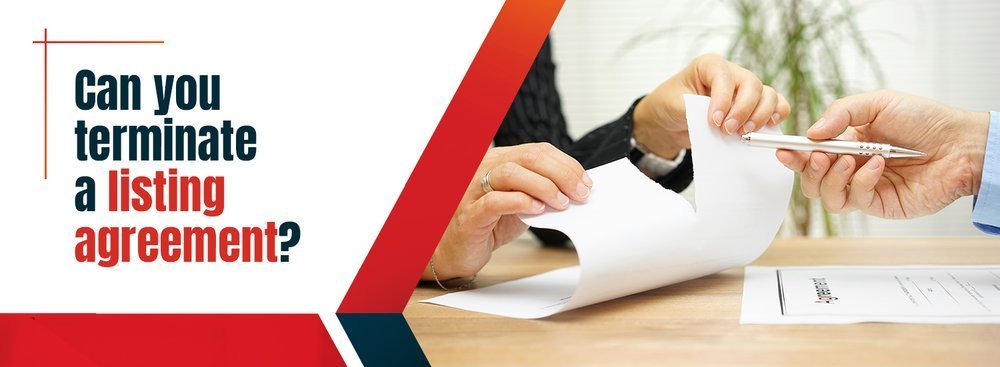
The decision to sell your home is one of the most significant decisions you have to make — both financially and emotionally. The worst-case scenario is that the relationship between you and your agent didn't work out. Before signing a listing agreement, make sure you are clear on your rights to get out of it if you need to.
You can terminate the listing agreement if you decide that you no longer want to sell your property. Likewise, you can also end the agreement if you do not want to work with your agent or broker anymore and they haven’t found a buyer for your home. Most agents will agree to cancel a listing agreement if the client is unhappy, as long as they don’t have an existing buyer yet.
This is why it’s important to choose a top and trusted real estate agent to help you sell your home. Do your research, interview at least three agents before hiring, and review the fine print before signing a listing agreement with them.



![Your Home Buyer Wants To Extend The Closing Date—What Now? [PART 2]](https://images.squarespace-cdn.com/content/v1/68a79317dcab1b51a8b172d5/1764096602490-W0KN3Z48TY2DS319S06N/banner.jpg?format=200w)
![Your Home Buyer Wants To Extend The Closing Date—What Now? [PART 1]](https://images.squarespace-cdn.com/content/v1/68a79317dcab1b51a8b172d5/1763492277776-JQWE2ZAJFP1XBNSA8VIB/banner.jpg?format=200w)

